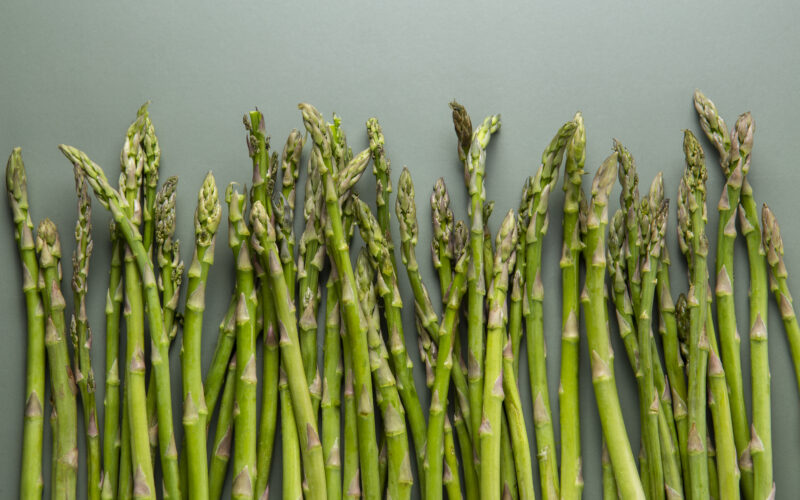
Asparagus is a perennial vegetable that’s delicious, nutritious, and highly rewarding to grow. With the right care, a single planting can produce tender spears for 15–20 years. Here’s everything you need to know about planting, caring for, and harvesting asparagus in your garden.
1. Why Grow Asparagus?
Asparagus is packed with vitamins A, C, E, K, and folate, and it’s low in calories. Its antioxidants support heart health, digestion, and overall wellness. Growing it at home ensures you get fresh, flavorful spears every spring, while saving money compared to store-bought asparagus.
2. Choosing the Right Spot and Soil
Asparagus thrives in sunny locations with well-draining soil. Slightly sandy soil enriched with compost or organic matter works best. Raised beds or mounds are helpful for improving drainage and preventing root rot. Make sure your asparagus bed is in a location where it can stay undisturbed for many years.
3. Planting Asparagus
You can start with asparagus crowns (1-year-old roots) or seeds:
- Crowns: Faster start; produce harvestable spears in 2–3 years.
- Seeds: Slower but more cost-effective; will take longer to harvest.
Planting Instructions:
- Dig trenches 6–8 inches deep.
- Space crowns 12–18 inches apart in rows.
- Cover with soil and water thoroughly.
Mulch lightly to retain moisture and protect the roots.
4. Caring for Your Asparagus
Once established, asparagus is low-maintenance, but regular care ensures strong growth:
- Keep the bed weed-free.
- Mulch to retain soil moisture.
- Fertilize in early spring and after harvest with compost or balanced fertilizer.
- Avoid harvesting in the first 2–3 years to allow the plants to develop strong roots.
5. Harvesting Asparagus
Harvesting is exciting! Here’s how:
- Spears are ready when they reach 6–8 inches tall.
- Snap them off at the base instead of cutting.
- In the early years, harvest lightly to allow energy storage for the plant.
Asparagus can be steamed, roasted, grilled, or added to salads, pasta, and omelets.
6. Tips for Long-Term Success
- Keep the bed undisturbed for many years.
- Remove old, woody stems in late fall to prevent disease.
- Monitor for pests like asparagus beetles and treat naturally if possible.
With patience and proper care, your asparagus bed will provide fresh, tender spears every spring for decades.