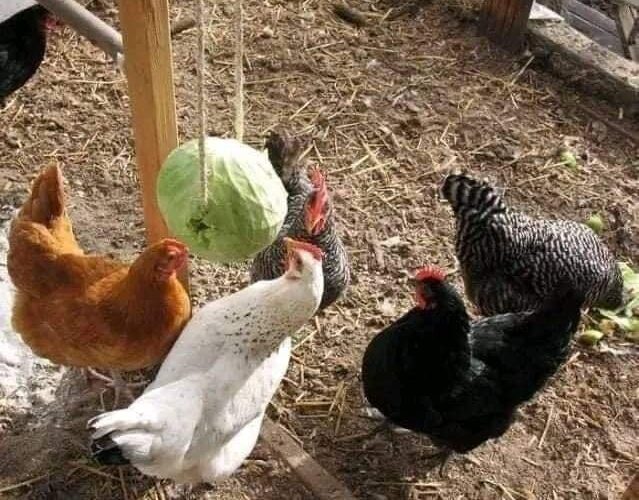
Feeding chickens is more than just giving them grain. A healthy flock thrives on variety, and adding fresh vegetables like cabbage and lettuce can make a noticeable difference in their health, behavior, and egg production. Chickens love exploring new foods, and offering creative, nutrient-rich snacks can keep them active and entertained while boosting their overall well-being.
Cabbage is one of the most popular treats for chickens because it’s packed with vitamins and minerals. Hanging a whole cabbage in the coop or run gives chickens something fun to peck at throughout the day. This not only provides nutrition but also reduces boredom, which can prevent unwanted behaviors like feather pecking. Cabbage is especially helpful during winter when free-range foraging is limited.
Lettuce is another great option, though it’s best used as a light snack. Leafy varieties like romaine or green leaf provide hydration and nutrients without too many calories. Chickens enjoy pulling the leaves apart, and the crisp texture adds variety to their diet. Avoid giving too much iceberg lettuce since it has very little nutritional value, but other types can be a refreshing treat, especially during hot weather.
Creativity plays a big role in feeding chickens well. Many flock owners hang vegetable bundles, create foraging bins, or scatter chopped greens around the run to encourage natural behaviors. You can also mix greens with their regular feed, freeze vegetable scraps into ice blocks for summer enrichment, or grow a small garden specifically for your flock. Simple changes can make mealtime more interesting and mimic natural foraging patterns, which improves both mental and physical health.
A varied diet leads to healthier chickens and better eggs. Greens contribute vitamins A and K, hydration, and antioxidants, all of which support strong immune systems and vibrant yolks. While vegetables shouldn’t replace a balanced layer feed, they are an excellent supplement that keeps chickens active and satisfied. With a little creativity, you can turn everyday vegetables into enjoyable enrichment activities that benefit your flock year-round.