Storing avocados so they stay fresh longer can feel like a challenge. Many people have recently tried keeping avocados in water to slow ripening, but while it may seem effective, it’s actually not considered safe. Food preservation experts warn that submerging low-acid produce in water can allow surface bacteria to move into the flesh, making it unsafe to eat. The good news? There are much safer and effective ways to store avocados so they last longer—without using water.
Why Storing Avocados in Water Is Not Safe
Avocados are a low-acid fruit, and this makes them more vulnerable to harmful bacteria. When you submerge them in water, microorganisms that naturally exist on the skin can move into the inside of the fruit. Even if the avocado looks fresh and green, this doesn’t guarantee it’s safe to eat. Food preservation specialists recommend avoiding this method and choosing safer storage techniques instead.
1. Storing Whole Avocados Safely
Whole unripe avocados can be kept on the counter until they begin to soften. Once they start to ripen, move them to the refrigerator. This slows the ripening process and helps them last several extra days without compromising safety. Whole ripe avocados can usually stay fresh in the fridge for up to a week.
2. Storing Cut Avocados the Right Way
If you’ve already cut your avocado, you can still keep it fresh:
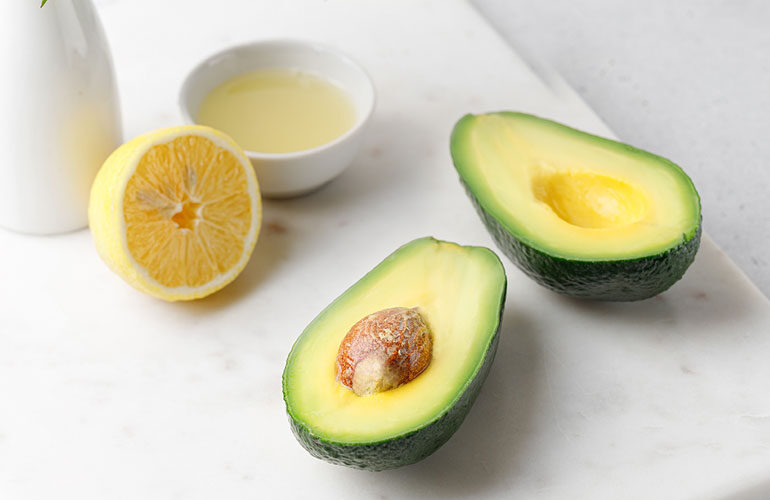
- Brush or sprinkle the flesh with lemon or lime juice.
- Cover tightly with plastic wrap, pressing it directly onto the surface.
- Store in an airtight container in the refrigerator.
This method helps prevent browning and protects the cut surface from air exposure, which keeps the texture smooth and the flavor fresh.
3. Freeze Avocados for Long-Term Storage
Freezing is one of the best and safest ways to make your avocados last. You can freeze halves, slices, or mashed avocado:
- For halves, remove the pit and brush lightly with lemon juice.
- Store in freezer-safe bags and remove as much air as possible.
- For mashed avocado, mix with a little lemon juice and freeze flat in a sealed bag or container.
Frozen avocado works great in smoothies, spreads, and dressings.
4. Freeze-Drying for Maximum Freshness
If you have access to a freeze dryer, this is another safe and long-lasting method. Freeze-dried avocado retains its nutrients and flavor and can be rehydrated whenever needed. This is an excellent option for gardeners, homesteaders, or anyone who buys avocados in bulk.
5. How to Tell When an Avocado Is Ready to Eat
A ripe avocado should feel slightly soft when you press it gently with your fingers. The skin will darken slightly depending on the variety, and the stem cap should remove easily to reveal green underneath. If it’s very soft or mushy, it may be past its prime.
Final Thoughts
Keeping avocados fresh doesn’t require water—and using water can actually create a food safety risk. Instead, rely on safe, proven storage methods like refrigeration, proper wrapping for cut fruit, freezing, or freeze drying. These techniques keep your avocados fresh, flavorful, and safe to eat while extending their shelf life naturally.